
Parental Controls for Safer Gambling: A UK Family Guide

In today’s digital landscape, gambling apps and gambling-style mechanics in games are easily accessible to children. For UK parents, this presents a clear challenge. Protecting young people requires a dual strategy: implementing robust technical controls and fostering open, ongoing conversations. This guide provides practical steps and essential UK resources to help you build these vital defences for your family.
The Reality of Underage Gambling and UK Apps
The threat isn’t just from traditional betting sites. Children are often exposed to gambling concepts through popular video games and ‘social’ casino apps, which can normalise risky behaviour from a young age.
Blurred Lines: Gaming vs. Gambling
Mechanics like loot boxes in games such as FIFA Ultimate Team teach children to chase rewards through chance, mirroring the thrill of gambling. Free-to-play social casino apps also familiarise young users with slot machines and poker tables. This blurring of lines between play and gambling is a significant concern for developing minds.
The UK Regulatory Landscape
The UK Gambling Commission strictly regulates licensed gambling operators, enforcing age verification. However, simulated gambling within many video games falls outside its remit. This regulatory gap makes parental vigilance and the use of safeguards on family devices absolutely critical.
How to Use Parental Controls on Gambling Sites
A layered approach is most effective. Combine national self-exclusion schemes, bank-level blocks, and core device settings to create a strong safety net.
Self-Exclusion with GamStop
GamStop is a free, UK-wide self-exclusion scheme. Registering blocks access to all gambling websites and apps licensed in Great Britain for a chosen period. Parents can use it on their own devices to prevent accidental exposure by children, or discuss its purpose with older teenagers.
Blocking Payments at Source
Preventing financial transactions is crucial. Many UK banks, including Monzo and Starling, offer gambling block features within their app controls. Contact your bank to activate this on your child’s debit card or on your own cards they might access. Never save payment details on shared devices.
Device-Level Restrictions
Use built-in device settings as a foundation. On both Android and iOS, you can use a passcode to restrict the installation of new apps and block in-app purchases. This prevents the download of gambling apps and stops unauthorised spending within games.
Setting Up Family Link and Device Safeguards
Dedicated parental control apps offer more granular management, allowing you to filter content and monitor activity.
Google Family Link for Android
Use Google Family Link to manage your child’s Android device or Chromebook. Create a supervised Google account for them, then set the Play Store to require your approval for all new app installs. Within the Family Link settings, you can also filter web content in Chrome and manually add specific gambling sites to a blocked list.
Apple Screen Time for iOS
On iPhones and iPads, use Screen Time. Set a unique passcode, then navigate to ‘Content & Privacy Restrictions’. Here, you can limit adult websites, add specific sites to a ‘Never Allow’ list, and control app installations to ‘Don’t Allow’ or ‘Require Approval’.
Creating a Safer Digital Environment
Use these tools to promote healthy habits. Set consistent daily screen time limits, schedule ‘Downtime’ for sleep and study, and establish a family charging station outside bedrooms overnight to discourage secretive use.
Starting the Conversation About Gambling Risks
Technical controls are a shield, but education empowers children to make safer choices independently. Open dialogue is key.
Talking Points for Different Ages
- For younger children (7-11): Focus on advertising and in-game purchases. Explain that loot boxes are like a mystery bag—you often don’t get what you hope for, and spending money on chance can be disappointing.
- For teenagers (12+): Discuss the business models. Talk about how gambling sites and manipulative game designs are built to keep people spending. Explain the real-world consequences of gambling-related debt and the importance of budgeting.
Utilising Free UK Educational Resources
Leverage expert support. Charities like BeGambleAware and the Young Gamers and Gamblers Education Trust (YGAM) provide excellent, free lesson plans and discussion guides for UK families. These resources offer age-appropriate frameworks for explaining risk, probability, and recognising manipulative design.
Your most powerful strategy combines practical tools—from Family Link and bank blocks to GamStop—with honest conversation. By taking these proactive steps, you’re not just protecting your children; you’re building their digital resilience for the future. Start by checking your device settings this week and explore the free resources from BeGambleAware together.
-

Underage Gambling in the UK 2026: Statistics, Risks and Warning Signs for Parents
-
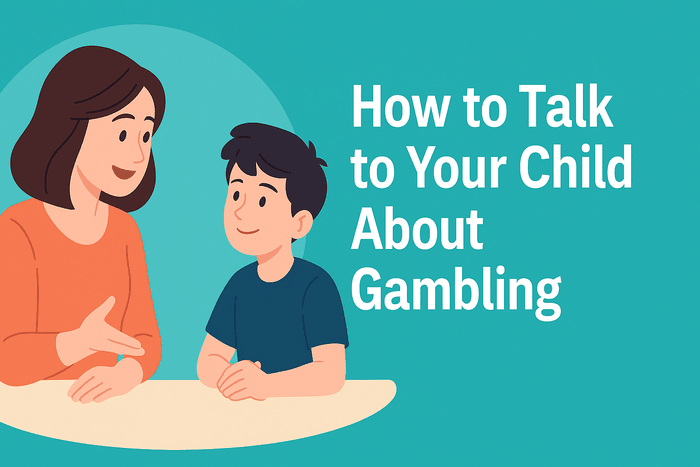
Responsible Family Gaming: How to Talk to Teens About Online Casinos and Sports Betting
-

Loot Boxes in Video Games: Are They Gambling and How to Protect Your Child
-
How to Set Up Parental Controls to Block Gambling Apps on Android and iPhone